Q. Do we use alcohol in our soaps?
A. No. We do not use alcohol in our soaps. It is used primarily in translucent and
transparent soaps to create their clear effect. In addition to that it is drying to the skin.
Q. Do you use glycerin in your soap?
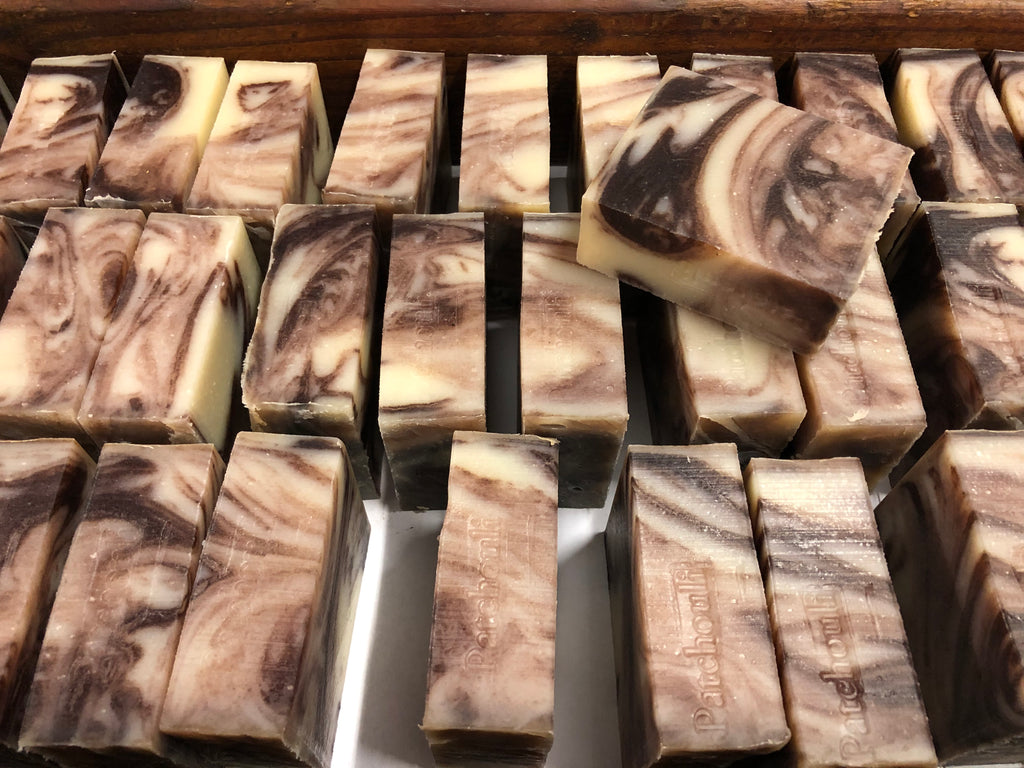
A. Our soaps are packed full of glycerin which is a byproduct of the soap making process.
Glycerin is really good for moisturizing the skin. Milled soaps require the glycerin to be
washed out to a level of 3-5%. Not enough to condition the skin, but enough to make them
pliable enough for the milling machines.

Q. Are your soaps all natural?
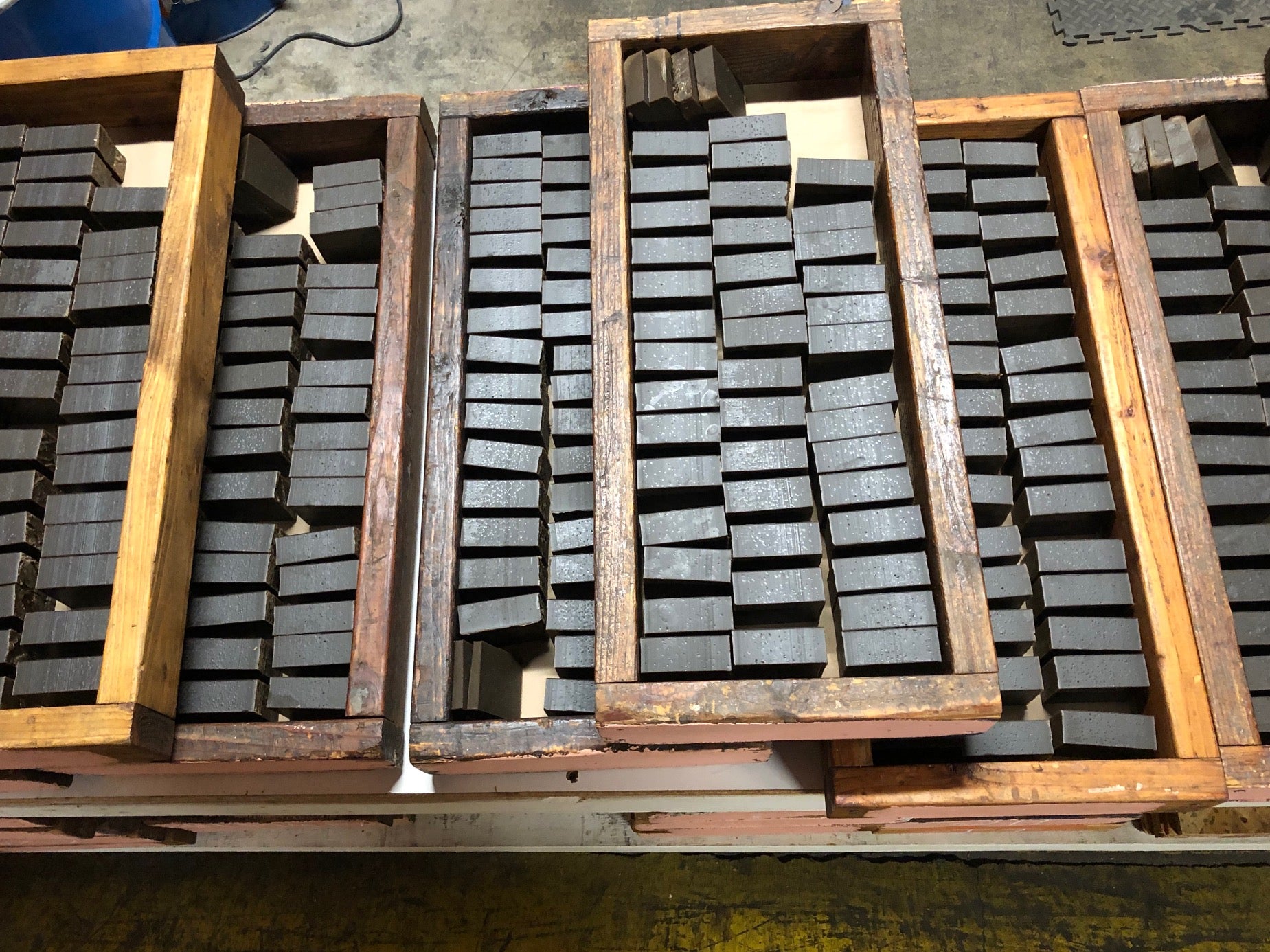
A. Yes. Our Pine Tar Olive Bar has no colorant added, is fragrance free and GMO Free.

B. Do you manufacture your own soaps?
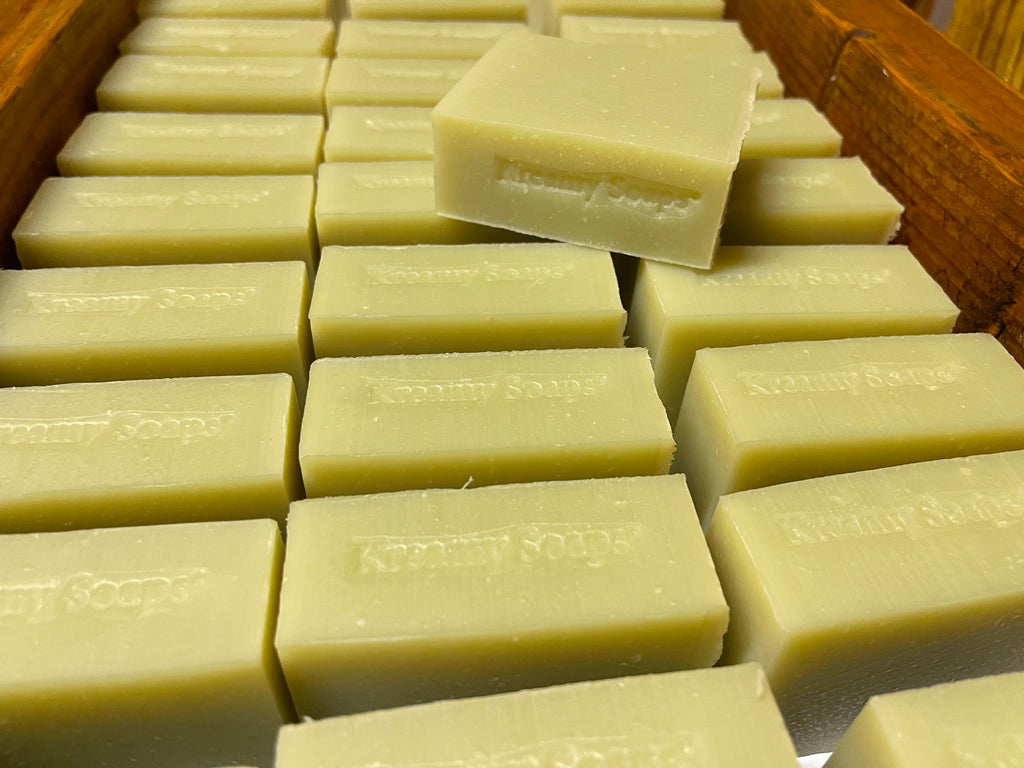
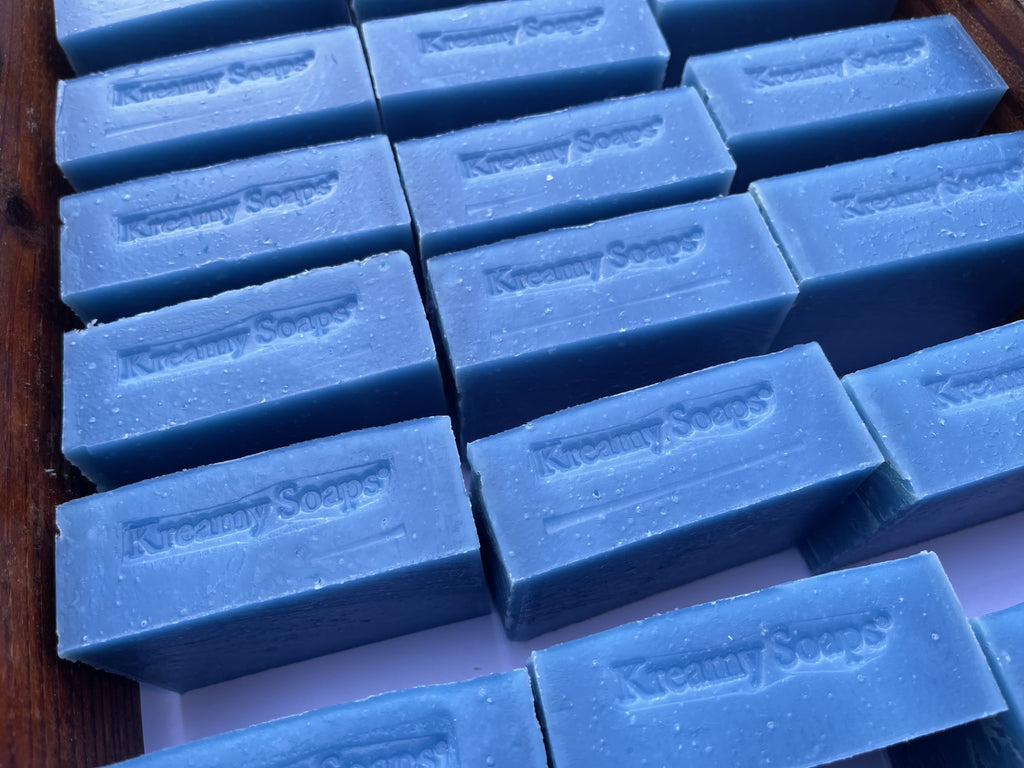
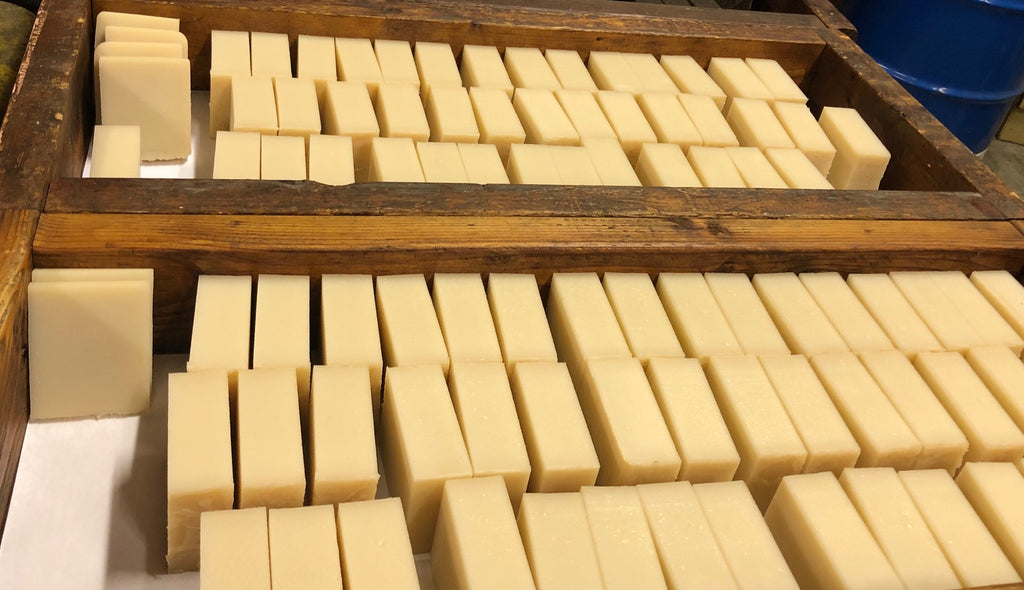
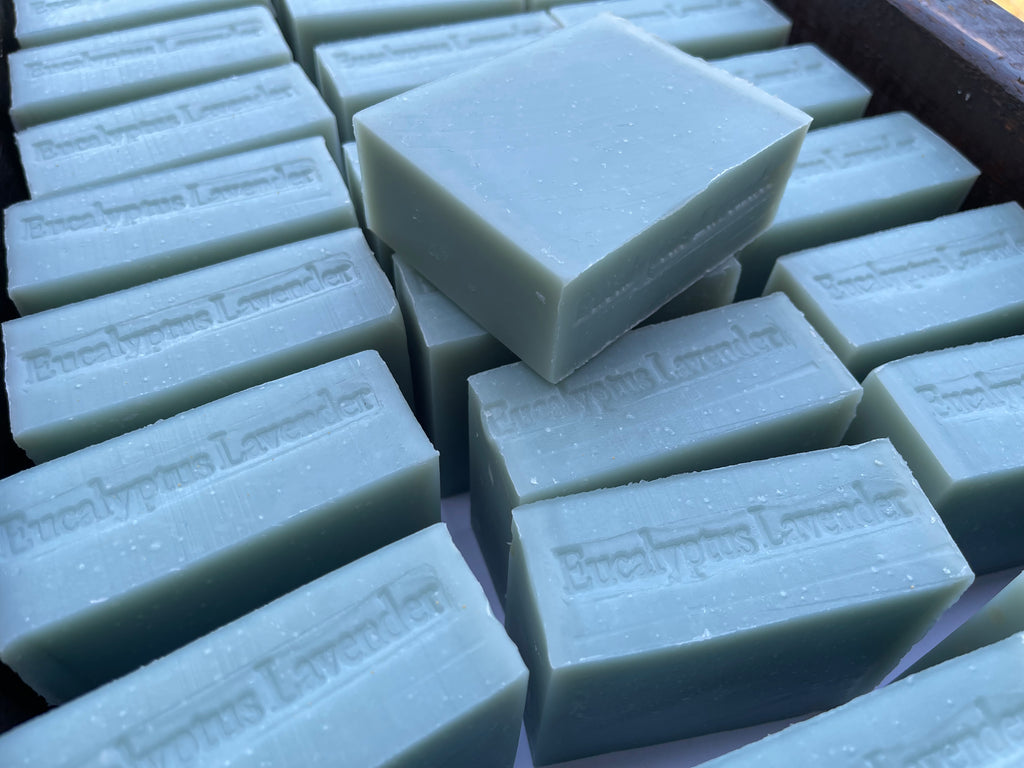
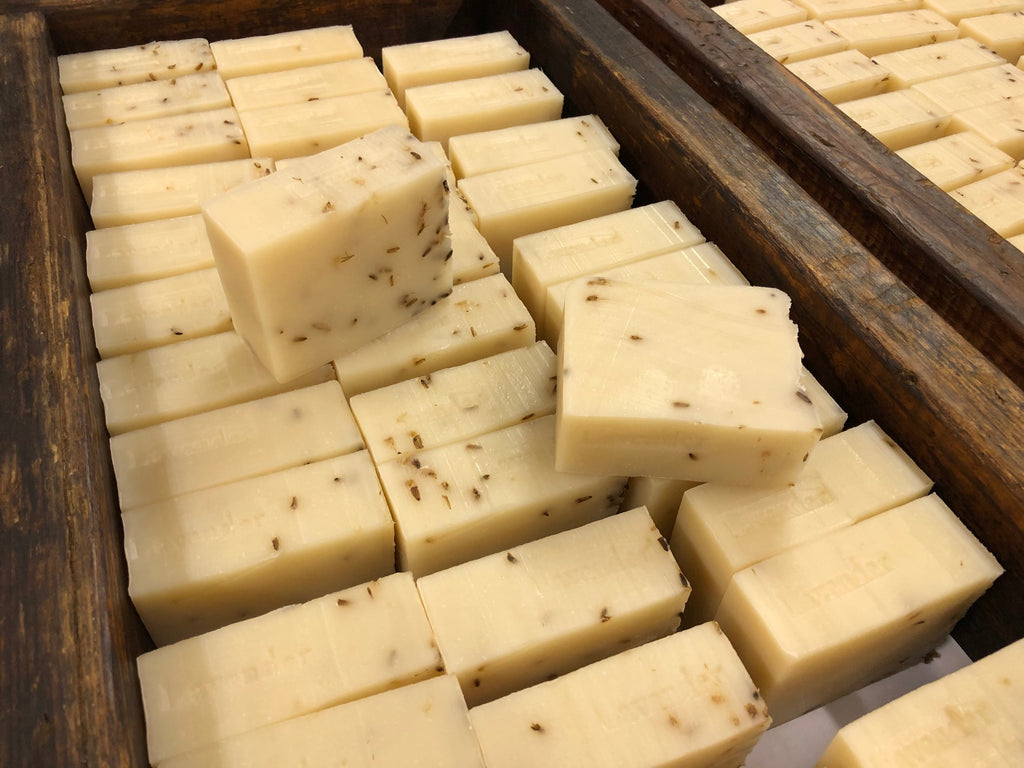
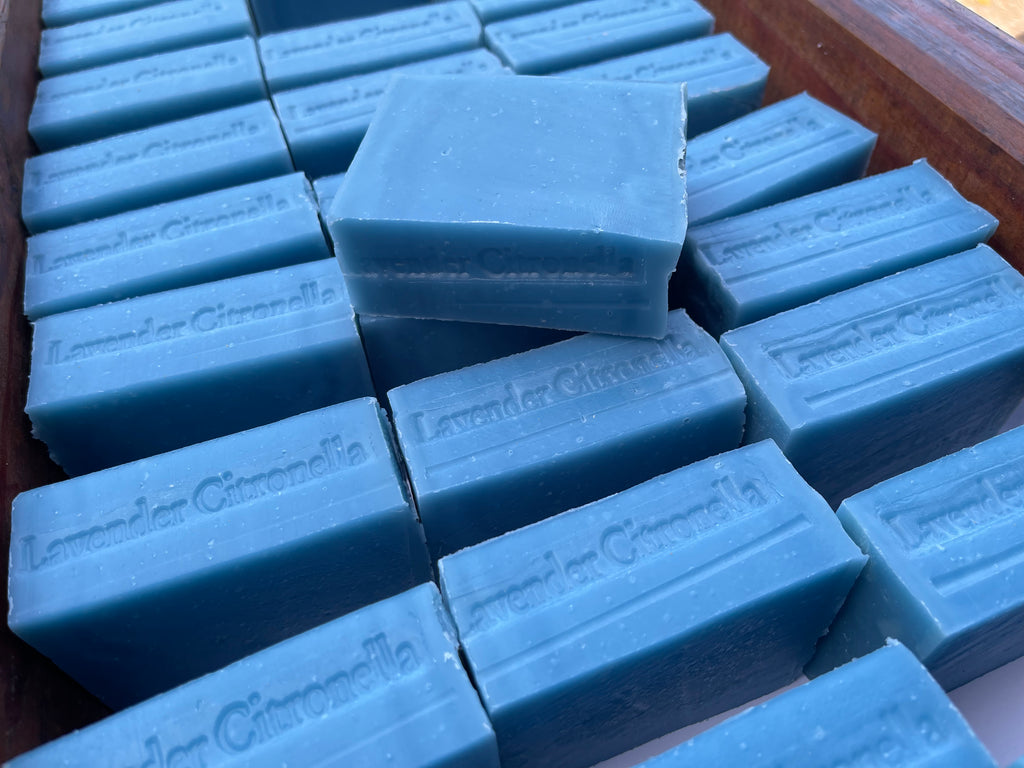
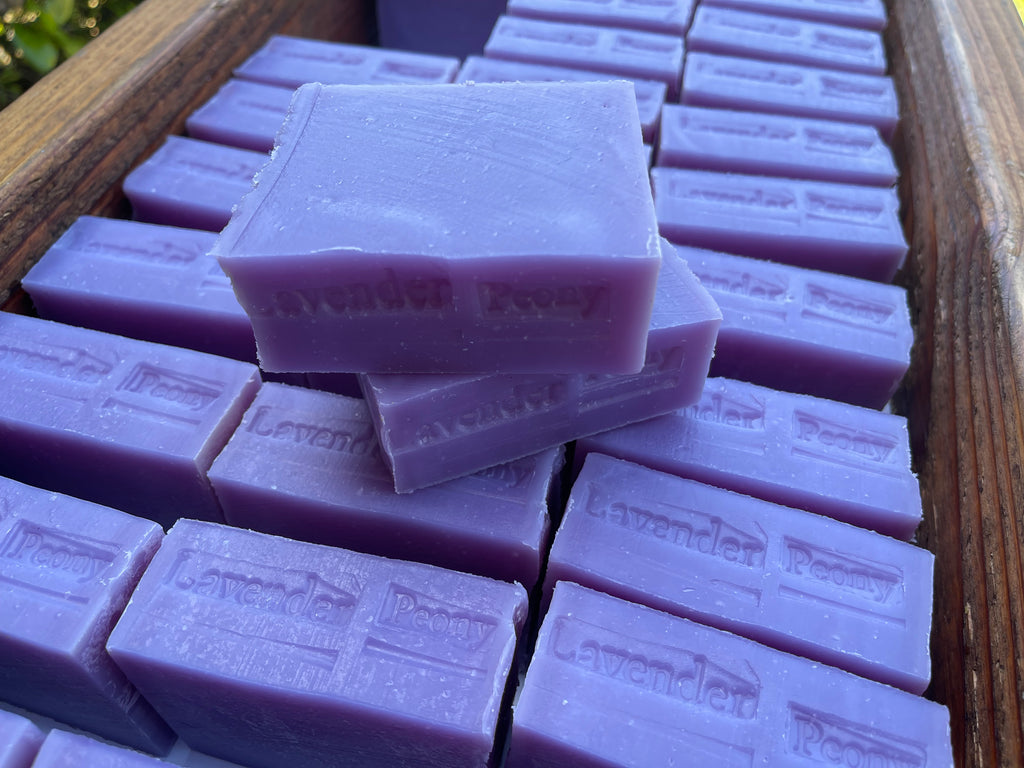
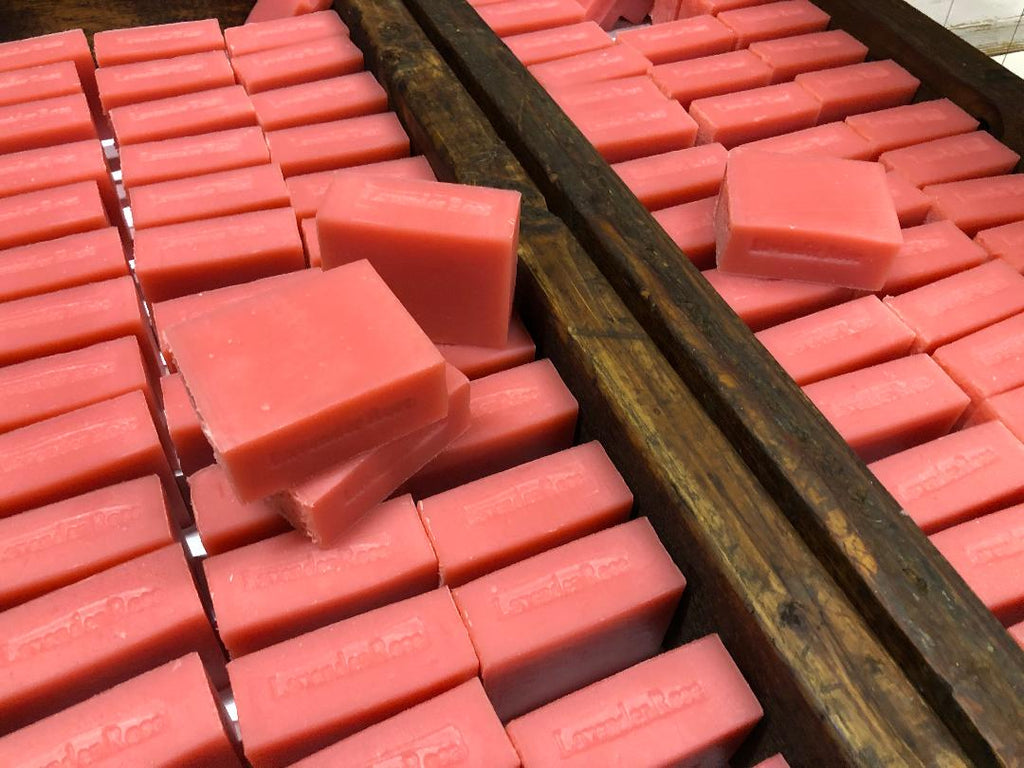
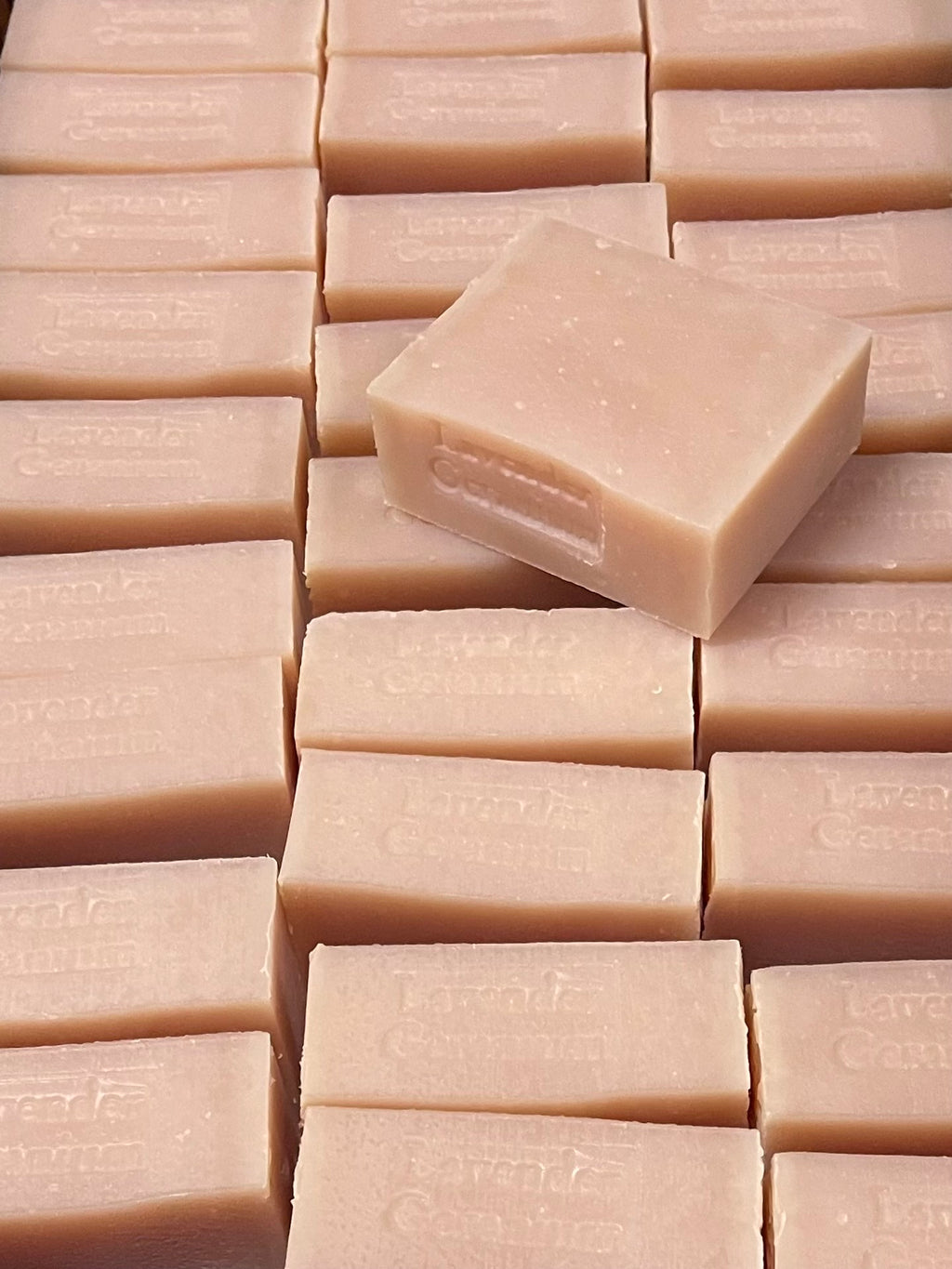
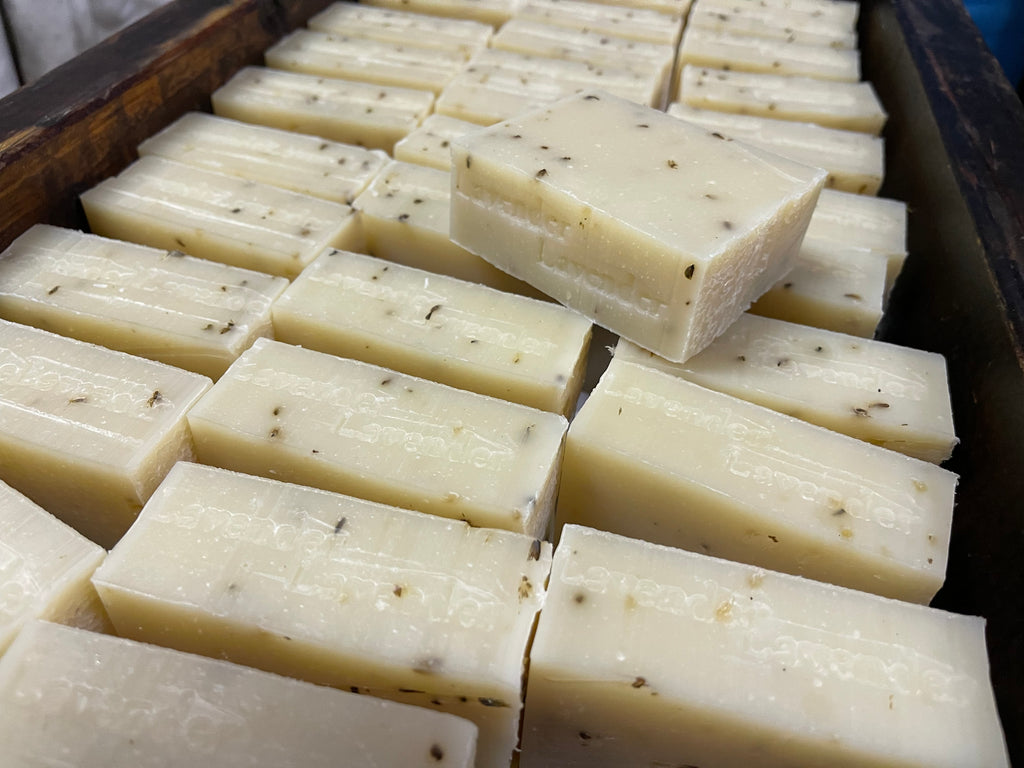
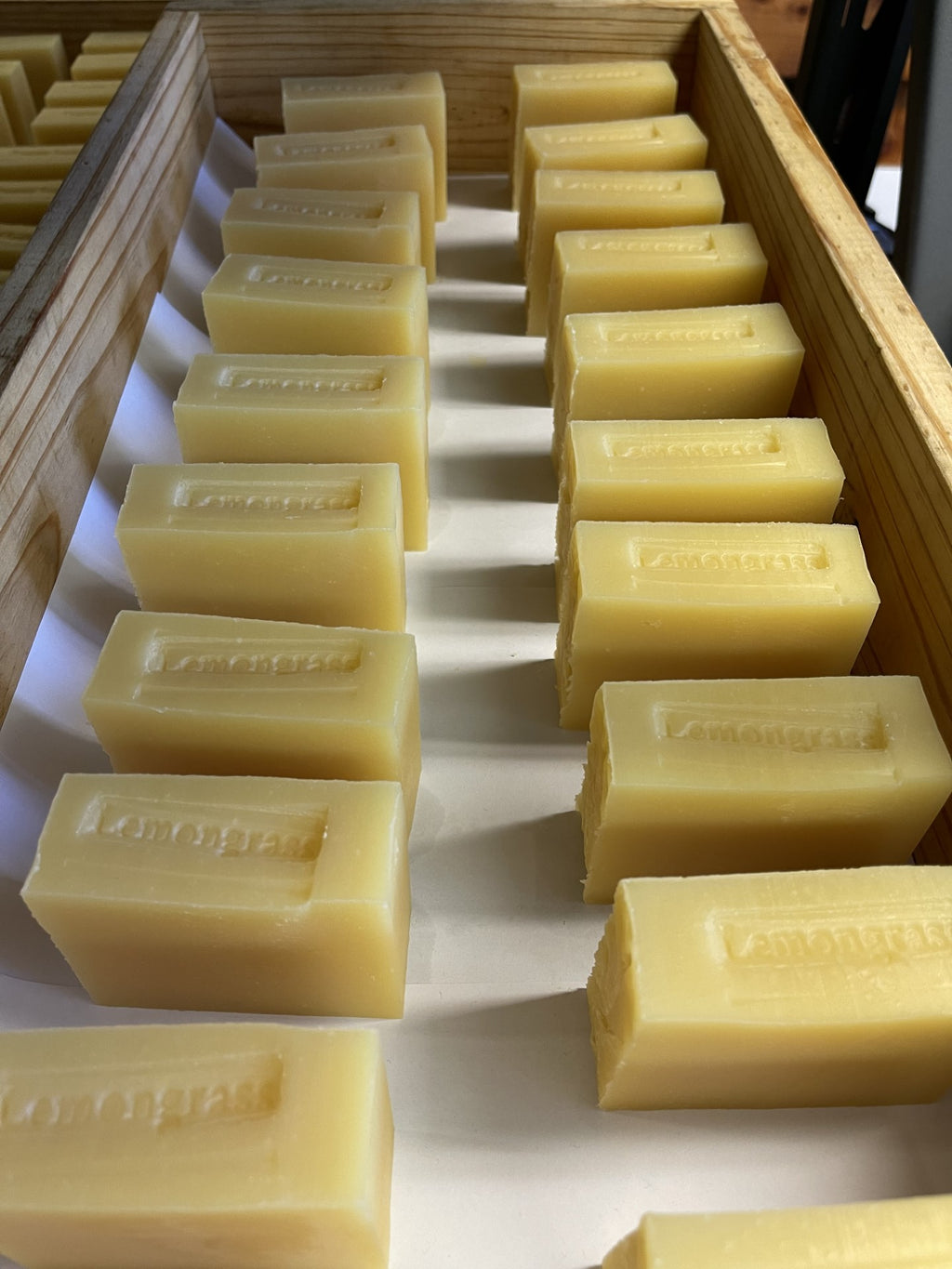
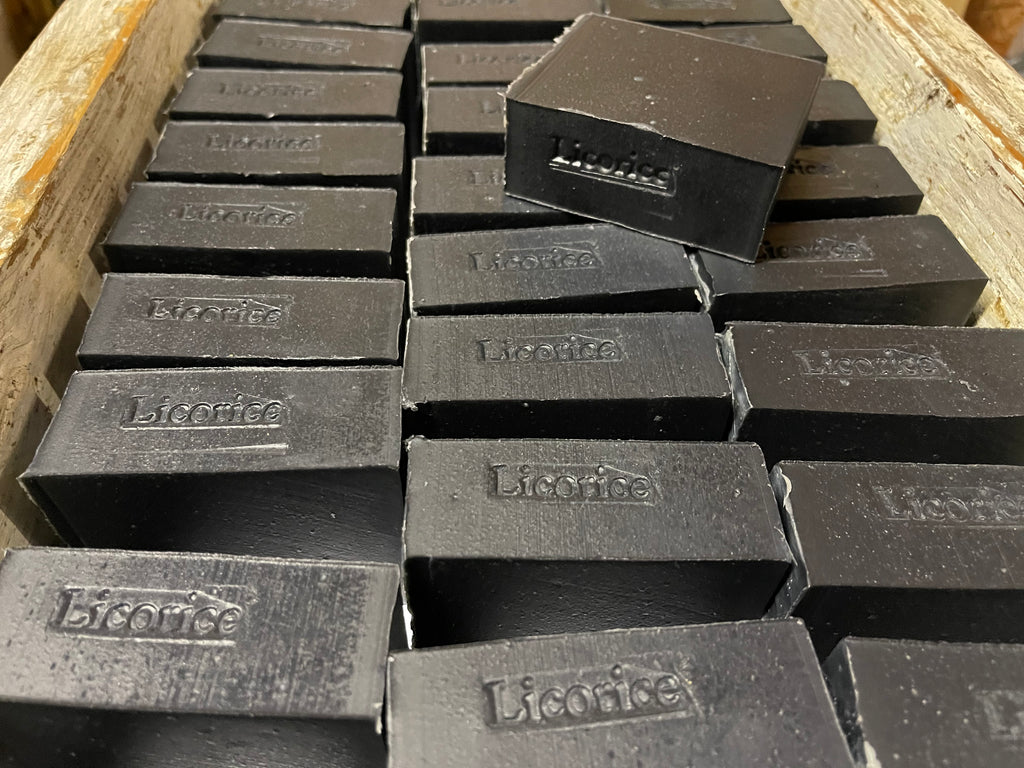
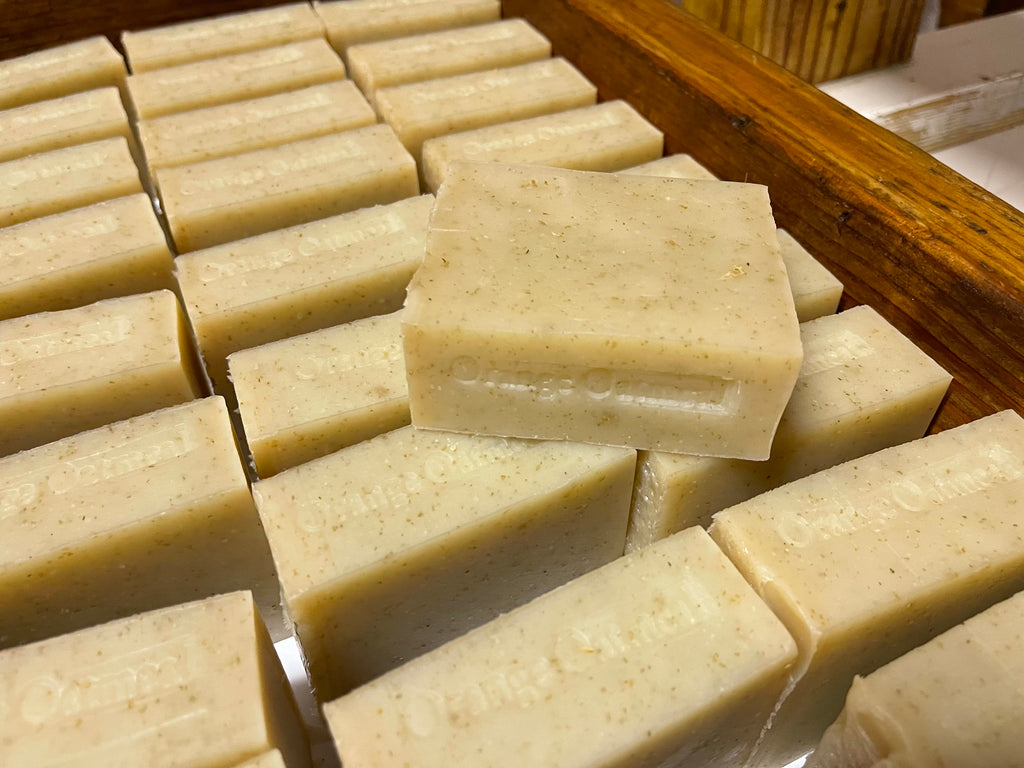
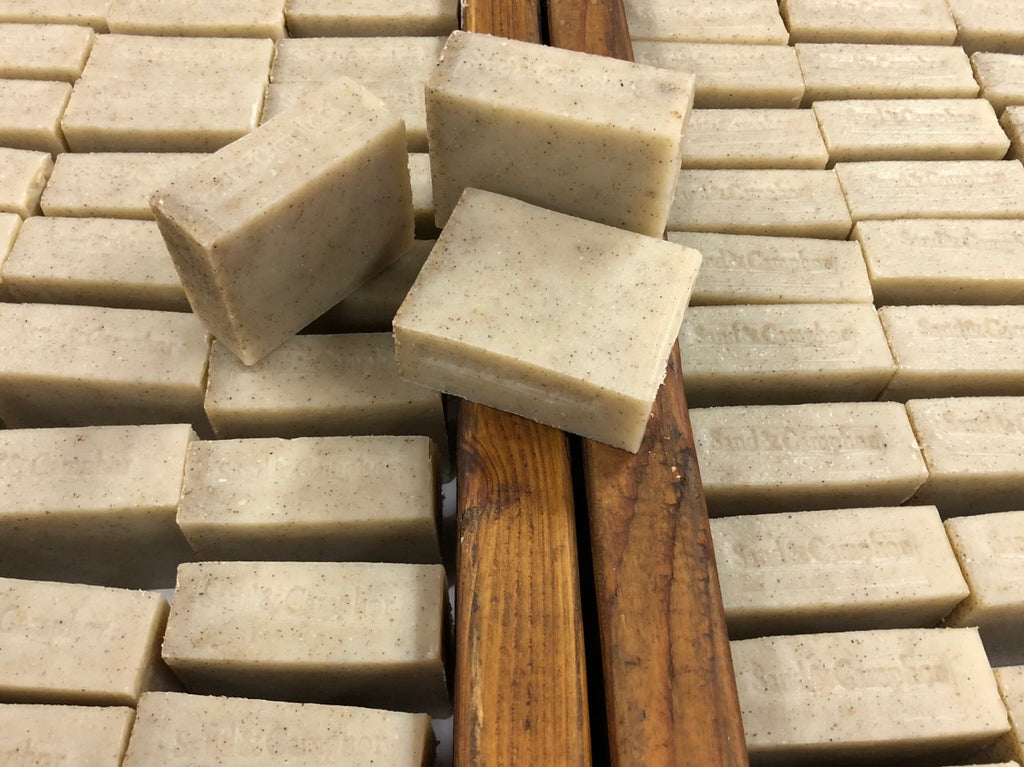
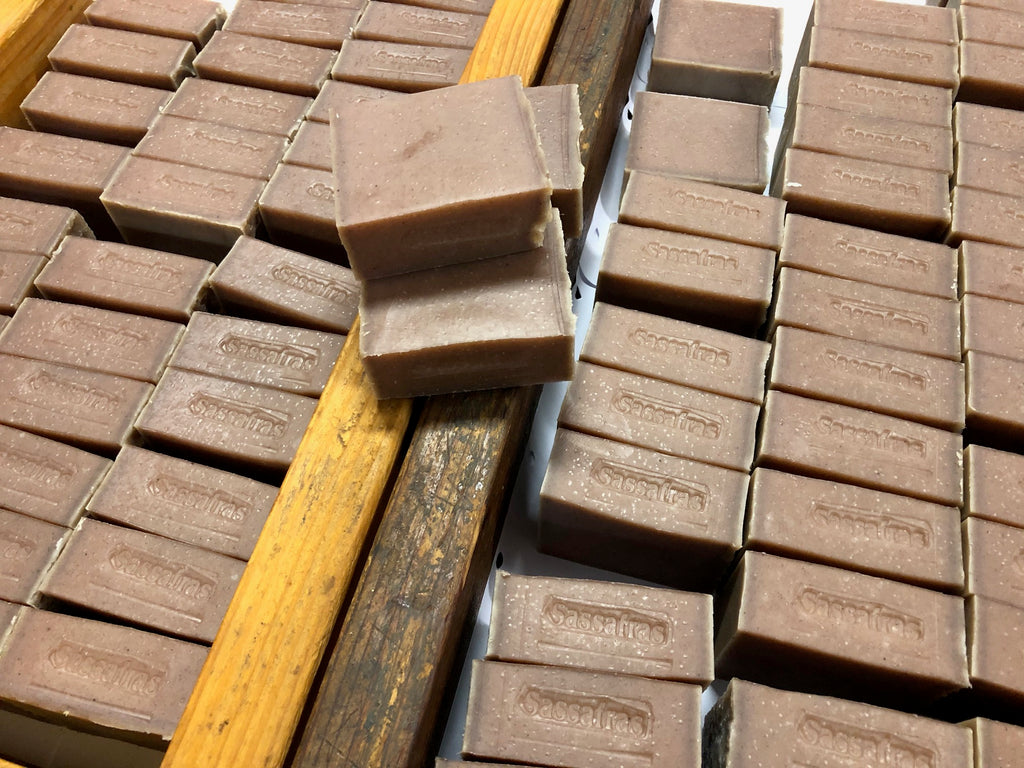
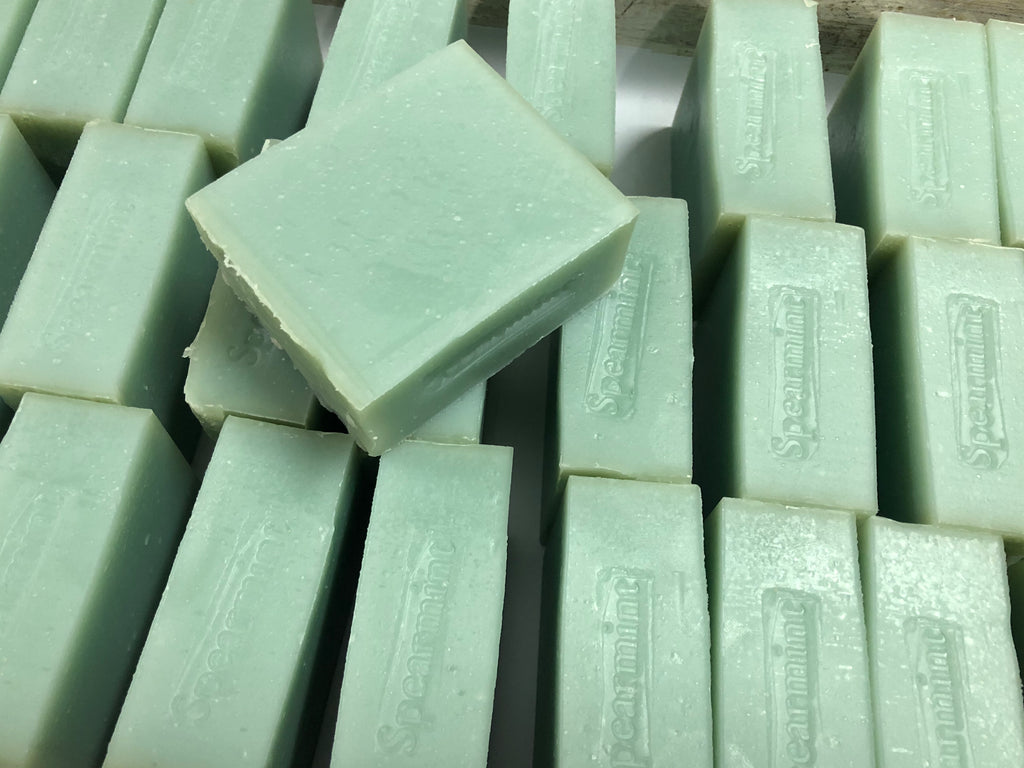
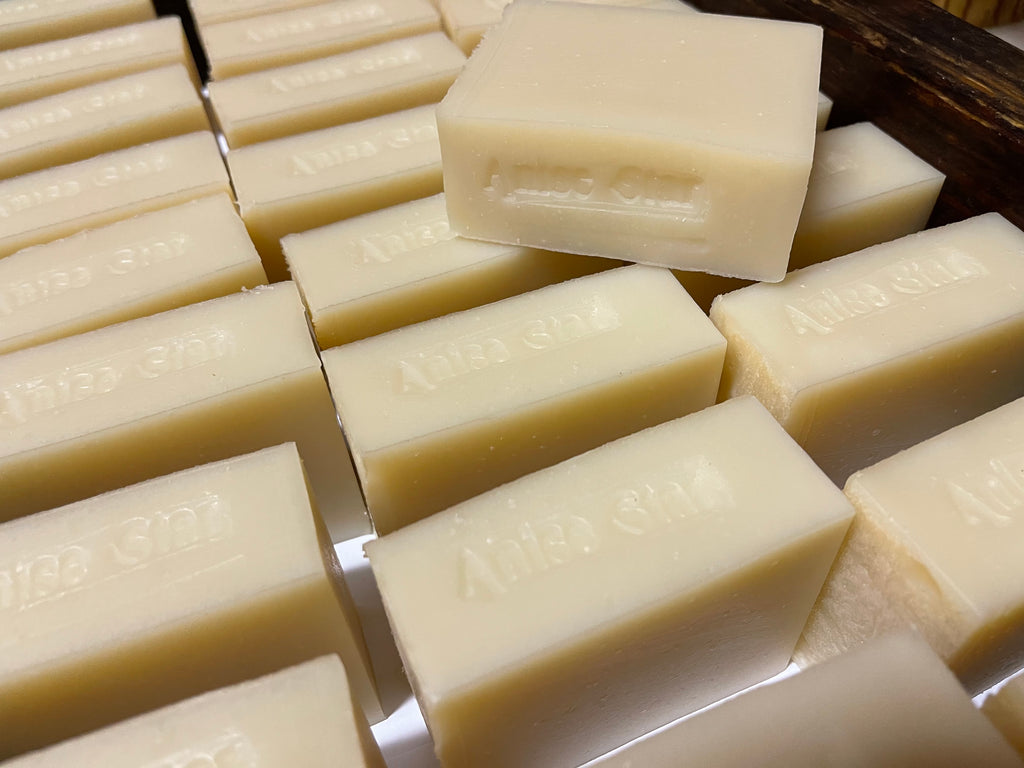
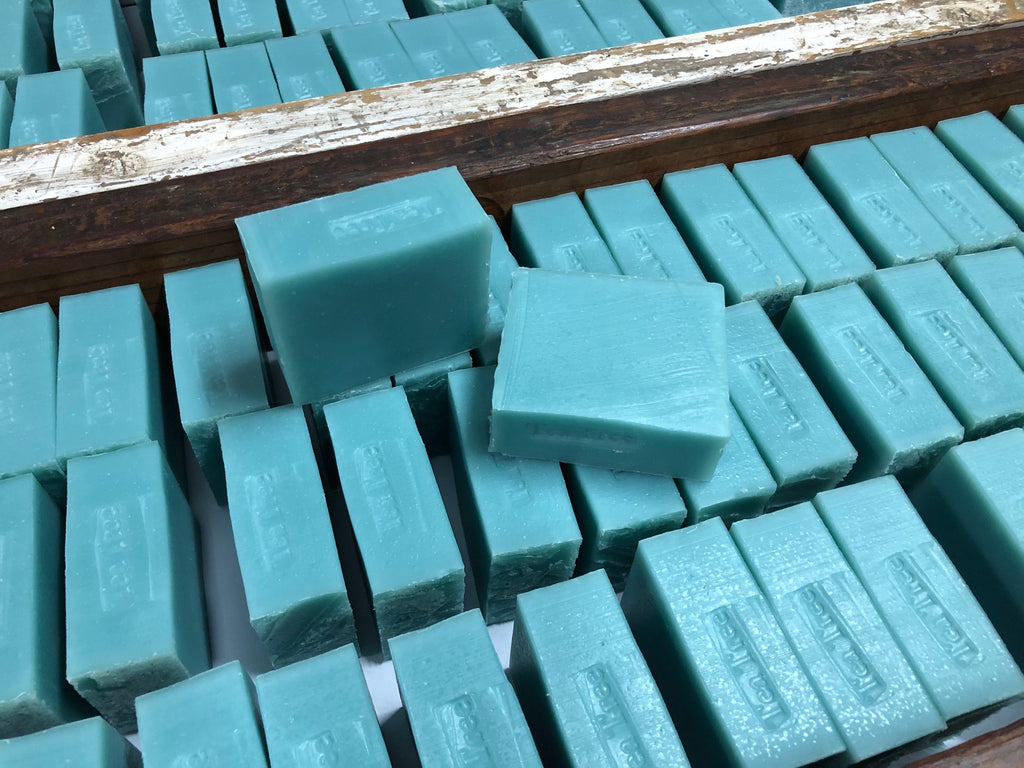
A. Yes! We make our soaps entirely from scratch. We do not use a private label
manufacturer to make our soaps. We do not buy blocks of melt and pour, nor do we use
soap noodles and mill our bars with a machine. We buy all of the raw ingredients in drums
and make the bars by hand. It is a time consuming process, but the finished product makes
it all worth while.

Q. How should I store my soaps?
A. The best place to store your soap is some where dry like your linen closet, or even your
sock drawer. Avoid decorating with them as tempting as this may be. The condensation of
your bathroom is not good for them, and will cause premature rancidity.

Q. What is the shelf life of your soaps?
A. Our Pine Tar Olive Bar has a very long shelf life. Feel free to stock up.


Q. How long does a bar last in the shower?
A. Well this is a hard one to answer. Some people get to use their bar for a few months
while others may use it up in a week. There are a lot of factors to consider regarding this
question.  Our bars are designed to be very long lasting. We want a very happy customer.
We want that bar to last! You can do a few things to help it out though. Keep it out of a wet
soap dish. Any bar of soap will melt in a wet soap dish. Try a soap saver in your dish.
Rotate between bars so they can dry out between uses. Use a puff or a sponge to wash
with rather than the bar. Just rub the bar a couple of times on the sponge or puff and scrub
away. If you do this it will last longer!


Q. What is milled soap?
A. Milled soap simply means machine made. Why this is a selling point we will never know.
Basically little soap pellets called noodles are coated with colorant and fragrance, and are
crushed, and squeezed, and then pressed into bars. That's it!


Q. How come some soap companies need to age their soap for a couple of
months?
A. The more unsaturated fats you use in soap the longer the bar needs to age in order to
get hard (a hard bar generally means long life, but not always). If for example you were to
use only coconut oil (saturated fat) to make soap, you would have a rock hard soap in a
couple of days. On the other hand if you were to use all soybean oil (unsaturated fat) it
would take your bar literally months to get hard.

Q. Can I wash my hair with your soap?
A. Yes!

Q. What does pH stand for?
A. pH is short for Positively Charged Hydrogen Ion. It is a scale used to measure the acidity
or alkalinity of a product. Water has a pH of 7 and is considered neutral. Soap is about 9.5
and is alkaline. Lemons have a pH of about 2.4 and are considered acidic. On the extreme
ends of the chart you have Hydrochloric Acid at 0.1, and Caustic Soda at 13.9.

Q. Do you use tallow or lard? What is Tallow anyway?
A. No! Tallow is animal fat. The higher grades being fat rendered from the suet of beef and
mutton. There are many grades, the highest being referred to as edible tallow. The higher
the grade the better for soap making. Why are commercially milled soaps so heavily
perfumed? To mask the meat! Most soap on the market is made of tallow. On the label it
would be referred to as Sodium Tallowate. Soap has been made out of tallow for centuries,
but this is the 21st century and we have better resources to make much finer soaps. Long
ago a company started making soap out of palm oil and olive oil. It was a much richer,
creamier soap than the typical tallow bar that was so common in the market. This company
found a nitch, filled it, and became rather successful. Maybe you have heard of them?
There name is PalmOlive. They are not making much soap anymore, but instead are in the
dish soap market.

Q. Do you do any animal testing?
A. No Way!! We inspect every batch made, and if the batch meets our standards, it is then
tested by us to insure the quality and that it meets our expectations.

Q. What is all the fuss about antibacterial soap?
A. First of all the soap industry is not regulated so that means manufacturers can say
pretty much whatever they want. A true soap is antibacterial all by itself, because of its 9.5
pH. A antibacterial liquid soap is not a soap but a liquid detergent. Since it is neutral, pH
balanced, it does not kill germs. These manufacturers add antibacterial agent to kill the
germs, and then call it antibacterial soap. It is not soap. What it really should read is
Antibacterial Detergent. That's marketing for you! Also if it is a Beauty Bar it is not soap,
but a detergent cake.
Newsletter Sign Up
Email Marketing You Can Trust
Kreamy Soaps®
FAQ